I know what it’s like
to live between
worlds.
I didn't come to this work from a textbook. I came to it from a life shaped by migration, cultural complexity, and the experience of loving someone whose inner world was formed by an entirely different set of rules than mine.
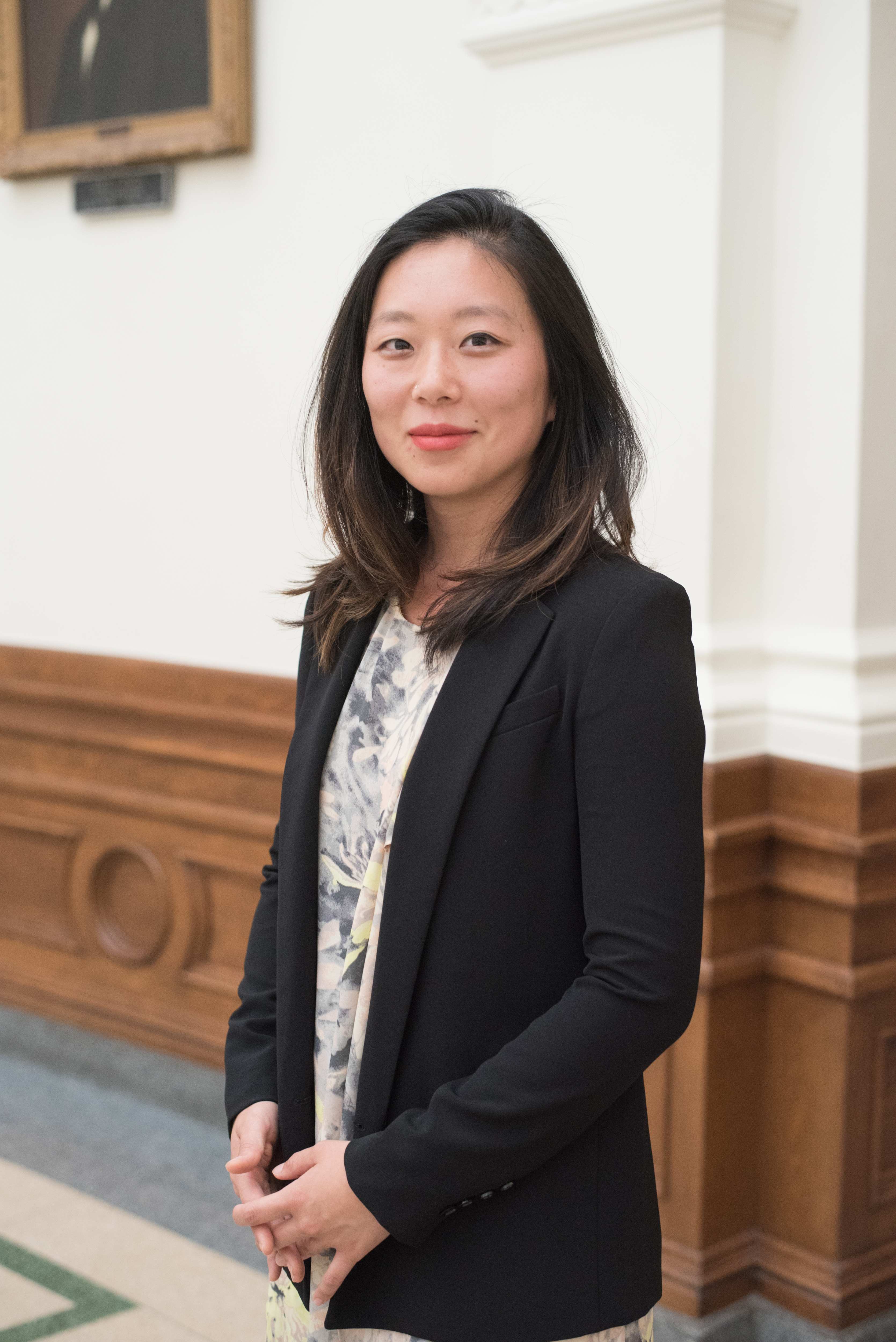
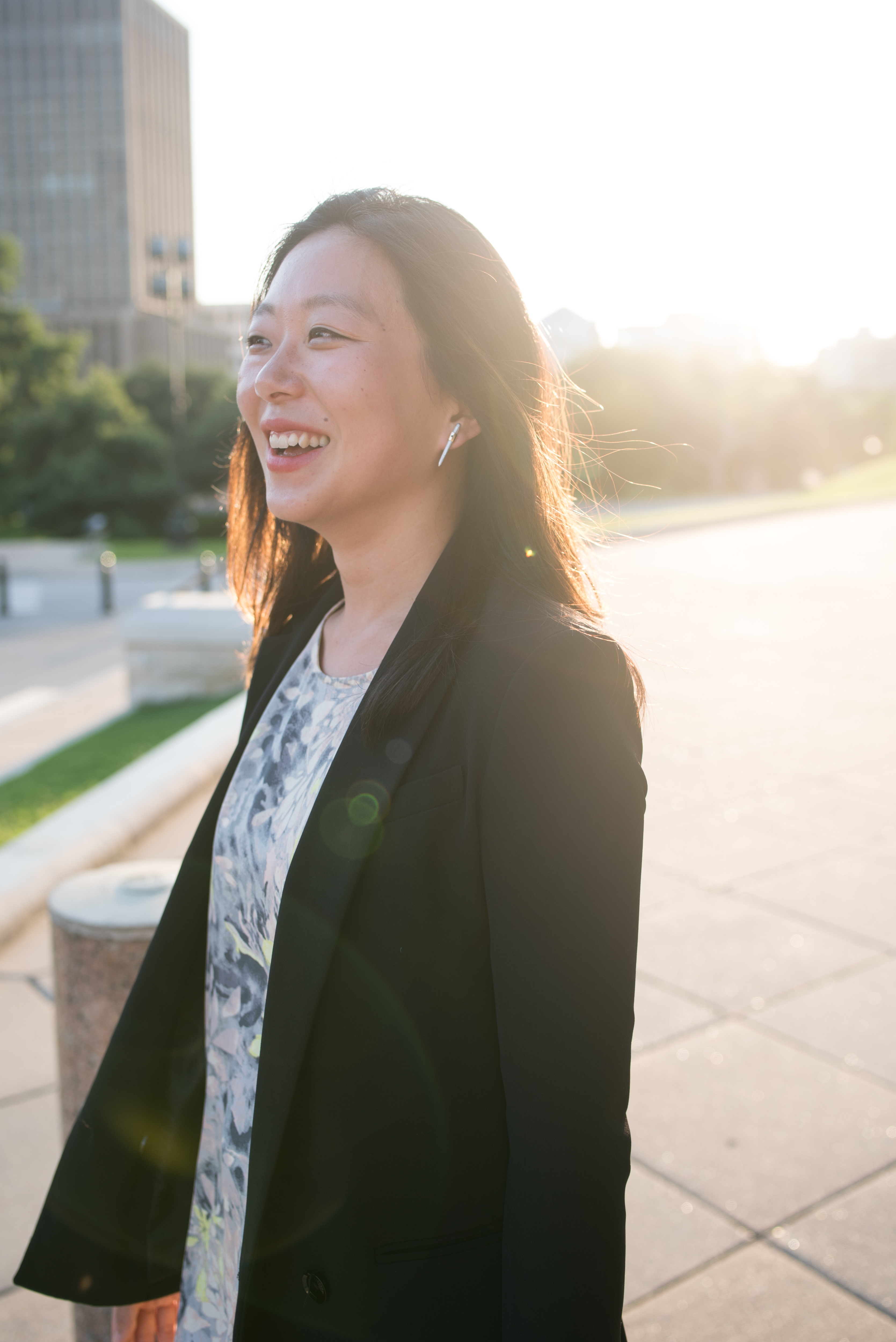
Jessie Wang · Couples Therapist · London & Online
My parents left everything they knew. I grew up in the space that created.
My parents immigrated across countries — and I grew up between the world they came from and the world I was born into. That gap, the one between where you're from and where you are, between what your family taught you love looks like and what your partner expects it to mean — is something I have navigated my entire life.
I've lived in the United States, China, Sweden, and the United Kingdom, with significant time in Italy, Hong Kong, and Ghana. Each place taught me something different about what relationships are supposed to look like — what's said, what's silenced, what counts as intimacy, what counts as respect. I learned that none of those things are universal, even when they feel like they are.
Cultural difference isn't the problem in a relationship. It's the terrain. The work is learning to navigate it together — and finding that the navigating itself can be one of the most connecting things two people do.
— Jessie Wang
The principles that
guide this work
Context is not optional
You cannot understand a relationship without understanding the worlds that formed each person in it. Culture, history, family systems, and social pressures are not background detail — they’re structure.
Difference is not damage
Being different from your partner is not a problem to fix. It’s a reality to work with — and when worked with well, it can be a source of extraordinary depth and connection.
Both people are always in the room
I don’t take sides. My client is the relationship — and both people deserve to feel heard, understood, and not managed. That requires active, genuine neutrality.
Insight without change is just biography
Understanding why a pattern exists matters. But the goal is something shifting — in how you reach for each other, how you repair, how you build something neither of you has had before.
Lived experience matters in the therapist too
I bring my own navigation of cultural complexity into the room — not as oversharing, but as genuine understanding. Clients shouldn’t have to explain what it means to be between worlds.
The relationship is worth the work
People come to therapy when they still believe something is possible. That belief — even when fragile — is always somewhere in the room. My job is to help them find it again.
Grounded in evidence,
not just instinct
Good therapy requires more than good intentions. My training spans several evidence-based approaches, each chosen because they work — and because they speak to the particular complexity of the couples I work with.